Finding the Advantages of Buying Water Technology Startups for a Greener Future
Buying water Technology startups offers a tactical opportunity in the middle of escalating worldwide water deficiency. These endeavors are developing cutting-edge options that deal with crucial environmental obstacles. As demand for lasting water administration grows, financiers might discover both economic gains and a chance to add to public health. Understanding the subtleties of this market could disclose paths to impactful investments. What variables should investors take into consideration to make the most of both their returns and their favorable impact?
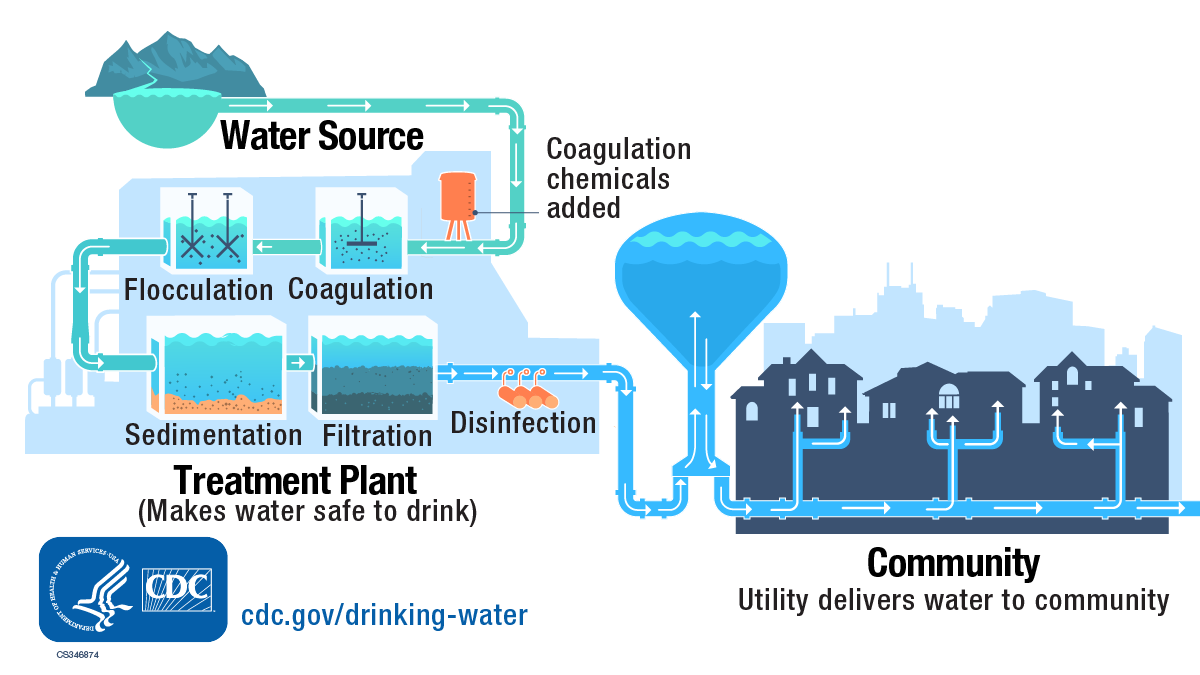
The Expanding Demand for Sustainable Water Solutions
The raising global population and moving climate patterns have actually brought about a significant rise in the demand for sustainable water solutions. As urban centers expand and agricultural demands expand, challenges connected to water scarcity and quality have become more pronounced. Communities are facing the dual pressures of guaranteeing adequate supply of water while likewise resolving ecological problems such as air pollution and over-extraction of sources.
Governments and organizations are progressively acknowledging the need for innovative approaches to water monitoring, concentrating on sustainability as a core concept. This has actually triggered investments in campaigns that advertise water conservation, reusing, and effective circulation systems. Furthermore, public awareness around the relevance of shielding water sources has expanded, driving consumer choices toward lasting practices. Subsequently, this progressing landscape presents numerous chances for startups that can use effective, scalable remedies to satisfy the urgent worldwide demand for sustainable and trustworthy water management.
Ingenious Technologies Reshaping Water Management
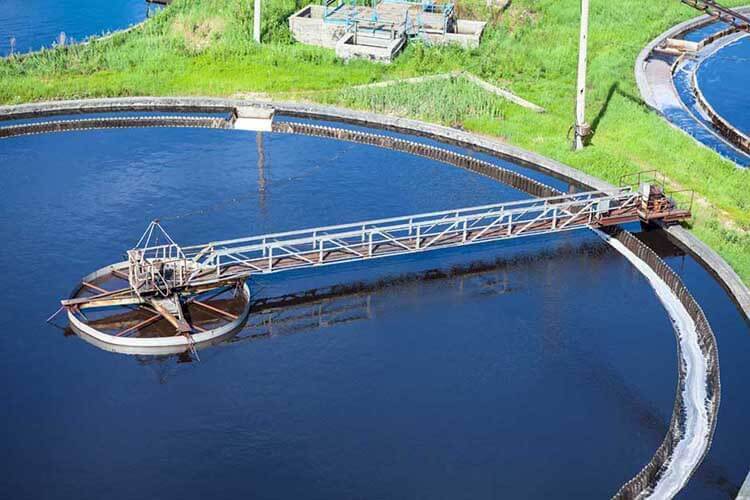
Expert system is also playing a vital role, forecasting water demand patterns and recognizing leakages in metropolitan infrastructure. Furthermore, decentralized water therapy systems equip neighborhoods to manage their very own sources sustainably. These innovations not only promise to improve performance and minimize expenses but additionally add considerably to environmental preservation efforts. By taking on these cutting-edge solutions, cultures can move towards even more sustainable water management techniques, making certain the accessibility of this precious source for future generations.
Financial Prospective in the Water Technology Market
While international water scarcity magnifies, the economic capacity in the water Technology market is obtaining considerable attention from capitalists. With an enhancing need for sustainable solutions, the market presents rewarding opportunities throughout various sectors, consisting of water purification, desalination, and reliable irrigation systems. Experts project increased growth, approximating the market can reach billions in revenue within the following years.
Capitalist passion is additional fueled by governmental support and worldwide campaigns targeted at taking on water-related difficulties. Water Technology Startups. Endeavor plutocrats are progressively targeting startups that introduce in water monitoring innovations, identifying the dual possibility commercial and societal impact. As standard sectors evolve, the water tech market is positioned to attract diverse funding resources, from private equity to public financial investments

Environmental Impact and Social Responsibility
Investors increasingly recognize the environmental impact and social obligation connected with water Technology startups. These ventures here play an essential role in dealing with pushing global water issues, such as scarcity, contamination, and inefficient usage. By establishing innovative services, such as advanced purification systems and lasting water administration methods, these startups contribute to cleaner water accessibility and improved resource preservation.
Moreover, the social duty element of these investments is significant; several water Technology start-ups concentrate on underserved neighborhoods, offering important resources that enhance public health and wellness and lifestyle. Capitalists are inspired not only by possible financial returns yet additionally by the desire to advertise sustainable techniques and support areas in need. This twin focus on social and environmental results aligns with wider trends in honest investing, making water Technology start-ups appealing alternatives see here for those seeking to make a favorable distinction while also creating economic worth.
Strategies for Determining Promising Water Startups
How can one properly identify appealing water start-ups in a rapidly progressing market? Capitalists ought to start by assessing market trends and technical advancements within the water market. Performing extensive study on arising technologies, such as water filtration technologies and smart irrigation systems, can highlight startups poised for development. Involving with sector experts and going to pertinent meetings gives valuable insights into which companies are acquiring grip.
In addition, reviewing a start-up's business model and scalability is vital. Capitalists need to examine the team's know-how, item stability, and customer feedback to assess possible success. Surveillance financing rounds and collaborations can additionally show a startup's market placement and capitalist self-confidence. Leveraging networks within the sustainability and endeavor capital areas promotes links that expose encouraging opportunities. By using these methods, investors can efficiently navigate the affordable landscape of water Technology startups.
Frequently Asked Inquiries
What Are the Key Dangers Associated With Purchasing Water Technology Startups?
Key threats related to investing in water Technology startups consist of regulative challenges, market competitors, technical expediency, financial instability, and possible ecological impacts. These factors can significantly influence the start-up's success and roi.
How Can Individual Investors Take Part In Water Technology Investments?
Private capitalists can read what he said join water Technology financial investments by joining crowdfunding systems, buying shares in openly traded business, or spending in equity capital funds concentrated on sustainable water options, thereby sustaining development in the sector. - Water Technology Startups
What Governing Challenges Do Water Technology Startups Face?
Water Technology start-ups typically encounter governing challenges such as conformity with ecological requirements, safeguarding authorizations, steering via complex regulation, and facing prolonged authorization processes, which can impede technology and delay product release in the market.
Exactly How Do Water Start-ups Measure Their Ecological Impact?
Water startups determine their ecological influence through metrics such as water cost savings, contamination decrease, and power efficiency. They often use life cycle analyses and monitoring technologies to quantify and report their contributions to sustainability efforts.
What Function Do Collaborations Play in the Success of Water Technology Startups?
Collaborations significantly boost the success of water technology start-ups by giving access to resources, proficiency, and networks. Partnerships with established firms and research organizations can accelerate development, enhance market reach, and foster lasting growth.
Investing in water Technology start-ups supplies a tactical opportunity amidst escalating international water deficiency. As international water administration deals with unmatched difficulties, innovative technologies are emerging to change exactly how water resources are used and preserved. Advanced information analytics and IoT devices are boosting water surveillance systems, enabling for real-time tracking of water high quality and usage. While global water deficiency heightens, the monetary potential in the water Technology market is obtaining significant interest from investors. Water start-ups determine their environmental influence with metrics such as water savings, air pollution reduction, and power effectiveness.